

Electric vehicles (EVs) are becoming increasingly familiar on Irish roads. Whether you’re thinking about making the switch or have recently bought your first EV, there can be a lot to consider, including charging at home to understanding the battery range.
The good news is that living with an EV can be simpler than you might think. Our electric car guide answers some of the most common questions to help you get started.
What to consider when buying an electric car
Choosing an EV is much like choosing any other car. It needs to suit your lifestyle, budget and everyday journeys. Before buying, consider:
● Range: Think about how far you typically drive each day rather than simply choosing the car with the biggest battery.
● Charging: Can you install a charger at home, or will you mainly rely on public charging?
● Space: Consider passengers, boot capacity and whether the car works for your usual
journeys.
● Running costs: Look beyond the purchase price and consider charging, tax, insurance,
servicing and maintenance.
● Battery warranty: Check the manufacturer’s and garage’s battery warranty, particularly
when buying a second-hand EV.
If you’re buying new, it’s also worth checking what EV grants and incentives are currently available in Ireland. The Sustainable Energy Authority of Ireland (SEAI) currently offers a grant of up to €3,500 on qualifying new privately purchased battery electric cars.
Are electric cars cheaper to run?
They certainly can be! EVs have fewer moving mechanical parts than petrol or diesel cars and don’t require items such as engine oil, a clutch or an exhaust system. Regenerative braking can also reduce wear on conventional brake components.
Electricity can also cost considerably less than petrol or diesel, particularly if you charge at home overnight. However, your individual savings will depend on your mileage, electricity tariff, vehicle efficiency and how often you use more expensive public rapid chargers.
How long does a full charge last on an electric car?
There’s no single answer because every EV is different. Your available range depends on battery size and efficiency as well as factors including driving speed, weather, heating and air conditioning, road conditions and how heavily the vehicle is loaded.
When comparing cars, look at their official range but also consider your own driving habits. An EV with a smaller range may still comfortably cover several days of typical commuting before it needs charging.
How much does it cost to charge an electric car?
The cost of charging an electric car depends on a few factors such as the size of its battery, how much charge you need and where you plug in.
Charging at home is generally the cheapest option. The SEAI’s current journey calculator uses a night-rate electricity price of 14.43 cent per kWh for its estimates, although your actual rate will depend on your electricity provider and tariff.
As a simple example, adding 50kWh of energy at that rate would cost around €7.22. Public rapid charging will generally cost more, so where possible, charging at home on an off-peak tariff can help keep costs down.
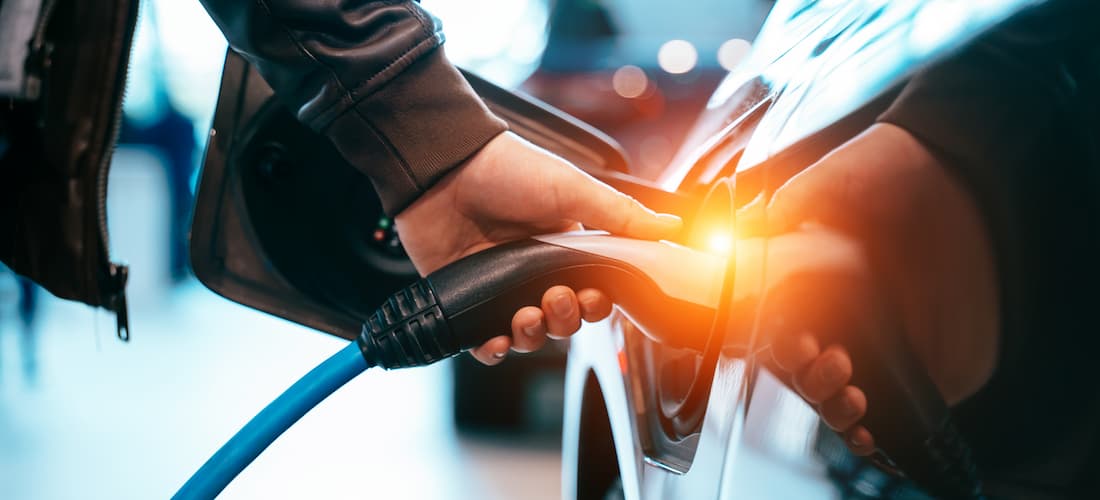
Charging your EV at home
For many EV drivers, plugging the car in at home becomes as routine as charging a phone overnight.
A dedicated home charger can provide up to 7.4kW of AC power, with the SEAI estimating that a typical charger and installation costs around €1,200 to €1,600. A grant of up to €300 is currently available towards the purchase and installation of an eligible home charger. Installation must be carried out by a Safe Electric Registered Electrical Contractor if you want to qualify for the grant.
Smart chargers can also schedule charging for off-peak periods, helping you make the most of cheaper electricity tariffs.
Which EV charger should I get?
For most Irish homes, a dedicated smart home charger is the most convenient option.
Before choosing one, check your car’s charging capabilities and ask a registered electrical contractor to assess your property and electricity supply. It’s also worth considering cable length, where you normally park, app connectivity and whether you want features such as scheduled charging or integration with solar panels.
If you intend to apply for the SEAI home charger grant, make sure your chosen smart charger meets the scheme’s eligibility requirements.
If you’re an AXA Plus customer, you can also get €50 off an installed EV charger through a partnership with ePower helping you save a little more money.
How long does it take to charge an electric car?
Charging time varies depending on the battery, the amount of charge needed and the power of the charger.
A home charger will usually be ideal for charging overnight. On the public network, rapid DC chargers can be considerably quicker. The SEAI notes that many fast chargers can charge a compatible EV to around 80% in approximately 30 minutes, while a 7kW AC charger can add roughly 100km of range in around two hours.
Remember that charging speeds often slow once the battery reaches around 80%, and for this reason, and to protect overall battery health, it’s recommended to only charge to 80%.
How long do EV batteries last?
EV batteries are designed for long-term use and shouldn’t suddenly stop working once they reach a particular age. Instead, their maximum capacity can gradually reduce over time.
If you’re buying an EV, check the manufacturer’s battery warranty and its terms. If you’re considering a used electric car, ask for information about the battery’s health and remaining warranty as part of your checks.
Can you drive an electric car through water?
Electric cars are designed to meet the same road safety standards as other vehicles, and their high-voltage systems are carefully protected.
However, that doesn’t mean you should attempt to drive an EV through deep or flooded water. The safest advice is the same whether you drive an electric, petrol or diesel car: avoid driving through floodwater whenever possible. It can be difficult to judge its depth, there may be hidden hazards beneath the surface and even relatively shallow moving water can be dangerous.
Do I need special insurance for an EV?
Not really. AXA Ireland’s standard car insurance includes cover designed with electric vehicles in mind, including fire, theft and accidental damage to batteries and charging cables, as well as up to €650 for damage to a home wall charger. Optional roadside assistance can also provide towing if your EV runs out of charge. Customers who purchase their car insurance online may also be eligible for a 10% discount. For more information, visit AXA Ireland.
From quieter journeys to potentially lower day-to-day running costs, there are plenty of reasons why drivers are considering electric. The key is finding an EV that works for your lifestyle. With a little planning, making the switch to electric can be a surprisingly straightforward change. And insuring your EV is easy! Get a quote today.
